SCENES FROM A UK CHICKEN FARM CULLING
WHAT HAPPENS WHEN A MASS SLAUGHTER OF POULTRY MOVES AHEAD
From EPD 24 : "The first sign of a government response comes at 10.20am when two officials and two vets from Defra are ushered in and kitted out in blue coveralls, face masks and protective rubber wellies.
"Closely behind is a water tanker loaded with eight 10kg tubs of VikronS disinfectant, which claims to be effective against all 18 types of virus affecting man and animals.
"The fate of the 35,000 birds becomes apparent soon afterwards with the arrival of a lorry laden with cylinders of the deadly gas argon followed by another vehicle bearing sealed steel gas chambers.
"As the day wore on, the ground ran white with disinfectant foam as 12 state veterinary service doctors and vets in blue and white coveralls passed through the gate, their hazardous task reflected by the shielded gas-masks worn by a select few.
"Working their way from shed to shed, the shrouded figures prepared the chickens for the cull and took more blood samples from the flock.
"The killing began at about 4pm yesterday and will continue today, with chickens either being gassed or shot with a stun gun.
"Evidence of the grisly work was apparent from the bulging yellow sacks of carcasses which were driven away to be rendered or incinerated off-site."
Go here for the full story.
Monday, May 01, 2006


FACE MASKS MAY NOT BE ENOUGH TO STOP SPREAD OF PANDEMIC BIRD FLU
From The Boston Globe : "If a worldwide flu epidemic strikes, don't reuse a face mask -- and don't assume, either, that it will offer a lot of protection, the Institute of Medicine said yesterday.
From The Boston Globe : "If a worldwide flu epidemic strikes, don't reuse a face mask -- and don't assume, either, that it will offer a lot of protection, the Institute of Medicine said yesterday.
"That's the bottom line from an anxiously awaited study requested by the government as it stockpiles supplies in case a flu pandemic begins.
"(If a bird flu pandemic occurs) millions undoubtedly will turn to masks, raising a dilemma...
There's little evidence about whether masks truly block the influenza virus -- and if they can, just how much protection they offer.
US MOVIE ABOUT BIRD FLU PANDEMIC SHOWS FUNERAL PYRES OF HUMAN CORPSES, NEIGHBOURHOODS QUARANTINED WITH RAZOR WIRE, TENS OF MILLIONS DEAD
From The Mercury News : "Bodies piling up so quickly it takes dump trucks to haul them away. Barbed wire to keep whole neighborhoods quarantined. It's Hollywood's version of bird flu, a blur of fact and fiction that some scientists say could confuse the public.
From The Mercury News : "Bodies piling up so quickly it takes dump trucks to haul them away. Barbed wire to keep whole neighborhoods quarantined. It's Hollywood's version of bird flu, a blur of fact and fiction that some scientists say could confuse the public.
"'Fatal Contact: Bird Flu in America,' an ABC made-for-television movie, airs May 9, just as scientists are to begin testing of wild birds in Alaska that could herald the arrival of bird flu in North America. Scientists fear the bird flu virus could evolve so it could be passed from human to human, sparking a global pandemic.
"The two-hour movie plays up that notion to the fullest, with a running ticker that tallies tens of millions of victims worldwide. In one scene, the bodies are thrown on a pyre, like the carcasses of cows torched in the 2001 foot-and-mouth disease outbreak in Great Britain.
"Bird flu expert Michael Osterholm said the movie realistically portrays the shortages of goods and services, and some of the ensuing panic, that could occur in a pandemic.
"But Osterholm frets the blurring of information and entertainment could do the public a disservice....He singled out for criticism how the movie shows Virginia officials using barbed wire to fence off and quarantine entire neighborhoods.
"Dr. Bruce Gellin, director of the National Vaccine Program office, praised the movie's timeliness in raising public awareness of bird flu, as well as its portrayal of 'a number of potentially realistic scenarios.'
"Those include the limited availability of antiviral medicines in a pandemic, the months it could take to develop an effective vaccine and in turn how the United States could be dependent on other countries - yes, that means France - to provide vaccine. The movie's stressing of the importance of planning also won kudos from the department.
Said one of the movie's producers : "There's a lot of science in the movie about why this would be scary if this were to arrive. Unfortunately, in our scenario, it is too late to stop the spread and that is what is being predicted by scientists if this were to occur."
Sunday, April 30, 2006
AROUND THE WORLD UPDATES
The aivan influenza virus continues to spread throughout the world, infecting thousands of wild bird and poultry every week. Human infections and resulting deaths continue, with Indonesia and China the current major concerns for the World Health Organisation. The human mortality rate for bird flu is still over 50%.
RUSSIA : Human Bird Flu Vaccine Can Be Prepared In A Month After Pandemic-Ready Mutation Occurs
ISLAMABAD : 11 Farms Infected, 60,000+ Birds Slaughtered
CHINA: Denies Cover-Up Of Extent Of Bird Flu Cases, Confirms Eight Year Old Girl Infected
BALI : Ducks Test Positive For Avian Influenza
CZECH REPUBLIC : All Twelve Cases Of Infection Confirmed As Resulting From Dead Bird Flu Virus.
IVORY COAST : Bird Flu Discovered On Farms, Mass Poultry Slaughter To Begin
VIETNAM : Calls For $US400 Million To Continue Fight Against Bird Flu
The aivan influenza virus continues to spread throughout the world, infecting thousands of wild bird and poultry every week. Human infections and resulting deaths continue, with Indonesia and China the current major concerns for the World Health Organisation. The human mortality rate for bird flu is still over 50%.
RUSSIA : Human Bird Flu Vaccine Can Be Prepared In A Month After Pandemic-Ready Mutation Occurs
ISLAMABAD : 11 Farms Infected, 60,000+ Birds Slaughtered
CHINA: Denies Cover-Up Of Extent Of Bird Flu Cases, Confirms Eight Year Old Girl Infected
BALI : Ducks Test Positive For Avian Influenza
CZECH REPUBLIC : All Twelve Cases Of Infection Confirmed As Resulting From Dead Bird Flu Virus.
IVORY COAST : Bird Flu Discovered On Farms, Mass Poultry Slaughter To Begin
VIETNAM : Calls For $US400 Million To Continue Fight Against Bird Flu
BIRD FLU PANDEMIC PREDICTED FOR RUSSIA WITHIN MONTHS
A senior Russian official has predicted that a bird flu pandemic is highly probable in Russia this summer.
A senior Russian official has predicted that a bird flu pandemic is highly probable in Russia this summer.
"The epicenter of the bird flu virus ... has shifted to Russia," Gennady Onishchenko, head of the Federal Consumer Protection Service, told a news conference Tuesday.
Unusually warm temperatures in the southern regions of Russia, combined with cooler-than-average weather in Iran and Turkey, have led migrating birds to nest in unlikely places this year, Onishchenko said.
"This explains early bird flu outbreaks in (the southern Russian republic) Dagestan and other locations in the Southern Federal District," he said.
Onishchenko also said uninfected migrating birds would arrive in Siberia and the Urals region by the end of April, and likely would become infected by the summer, RIA Novosti reported.
TWO MORE FARMS IN UK INFECTED WITH A BIRD FLU VIRUS
From the UK Independent : "Britain's defences against bird flu were last night exposed as ineffective, as chickens in two more farms in Norfolk were found to have a strain of the disease. The news came as an Independent on Sunday investigation revealed severe flaws in the Government's surveillance against the infection.
"The two new infected farms are in the same area, near Dereham, as Whitford Lodge Farm, Hockering, where 35,000 chickens are being slaughtered after the disease was found there last week. A worker caught a mild form of the bird flu."
BIRD FLU VIRUS CAN SURVIVE FREEZING CONDITIONS
MINIMUM SEVEN DAYS OF WATER AND FOOD STOCKPILES RECOMMENDED DURING PANDEMIC OUTBREAK
There's an interesting Bird Flu Q & A up on the Anchorage Daily News site. Questions focused around Alaska, which has long been expected to be one of the 'gateways' for the bird flu virus into the rest of the United States as a wide variety of migrating birds pass through the region.
Here's of the more interesting Questions and Answers, for the full thing go here.
MINIMUM SEVEN DAYS OF WATER AND FOOD STOCKPILES RECOMMENDED DURING PANDEMIC OUTBREAK
There's an interesting Bird Flu Q & A up on the Anchorage Daily News site. Questions focused around Alaska, which has long been expected to be one of the 'gateways' for the bird flu virus into the rest of the United States as a wide variety of migrating birds pass through the region.
Here's of the more interesting Questions and Answers, for the full thing go here.
Q. Are bird flu and a flu pandemic the same thing?
A. No. H5N1 bird flu primarily infects birds. In recent years, 204 people worldwide are known to have become infected; 113 died. The danger is if the bird flu virus mutates and becomes more easily transmitted from person to person. At that point, it could lead to a pandemic, which is a worldwide, rapid spread of the virus. All people would be susceptible, and death rates could be high.
Q. Should I keep my cat inside all summer?A. Domestic and larger wild cats have been infected with and died from H5N1 in other countries. There are no reports of people getting H5N1 from cats.
Because H5N1 is not here, there's no risk yet for an outdoor cat. Still, owners should discourage cats from going outside and catching wild birds because they carry a number of disease-causing bacteria that can affect cats, such as salmonella.
Q. During a pandemic, state health officials might ask people to isolate themselves at home for a while to prevent spreading or catching the contagious flu virus. How many weeks of food and water should you stockpile for this time period?A. Each person should have at least seven days' worth of food, water and other supplies on hand for any kind of emergency, be it an earthquake, storm or flu pandemic.
Pandemics, however, may last much longer than a one-time event like an earthquake. In that case, officials may ask people to prepare for longer periods of time. At the very least, they believe a seven-day stockpile is a good start.
Q. Can the virus survive if it's frozen?A. Yes. The H5N1 virus can survive if frozen and remains dangerous after thawing.
Who knew bird flu could survive freezing condiitons? So presumably this means a migrating bird, infected with the avian influenza virus, could die pass through a frozen region of the world, hit the ground, be buried by snow or ice and then years later when the bird's body thaws, the bird flu virus could become active again. Very interesting.Friday, April 28, 2006
CLAIM : CHINA HAS COVERED UP TRUE NUMBER OF HUMAN BIRD FLU VICTIMS
The Wall Street Journal has reported that the human death toll from bird flu in China may be higher than the 12 people officially declared, by the central government, to be victims of the virus.
The Wall Street Journal has reported that the human death toll from bird flu in China may be higher than the 12 people officially declared, by the central government, to be victims of the virus.
"A person familiar with the situation told the newspaper some local officials may have concealed suspected cases of avian flu.
'The central government was quite upset from receiving information late from local officials,' said the person, who had spoken with Chinese ministry officials. 'They weren`t happy.'
A Ministry of Health spokesman told the newspaper some hospitals have simply not reported severe pneumonia cases in which the cause is not known.
Thursday, April 27, 2006
CLAIM : ONE BIG WAVE OF PANDEMIC BIRD FLU IN THE UK THEN IT WOULD BE OVER
NEW REPORT PRIMES EARLY DETECTION AS BEST WEAPON TO FIGHT HUGE DEATH TOLL AND MASSIVE FINANCIAL CHAOS
From The Guardian (UK) : "Within two months of the first pandemic flu case anywhere in the world, it would arrive in the UK. It would peak here two months later with countless thousands likely to have died, but the worst would be over within four months.
NEW REPORT PRIMES EARLY DETECTION AS BEST WEAPON TO FIGHT HUGE DEATH TOLL AND MASSIVE FINANCIAL CHAOS
From The Guardian (UK) : "Within two months of the first pandemic flu case anywhere in the world, it would arrive in the UK. It would peak here two months later with countless thousands likely to have died, but the worst would be over within four months.
"That is the most likely scenario for a flu pandemic, according to results of the first computer simulation of how the virus would spread across the country.
"...the pandemic could be slowed if schools were closed and people living in the same household as those infected by flu also took anti-viral drugs.
"The government's current plans include ordering 14.6m courses of anti-virals by September, enough for a quarter of the UK population. There are plans to buy 120m doses of vaccine for whichever strain of flu ends up becoming a pandemic infection.
"...the computer model...built up a virtual population of UK inhabitants on a computer, and, using real data, simulated their interactions at work, school and in homes.
"The computer simulation showed that treating flu-stricken people would reduce transmission but only if anti-viral drugs were given quickly, within a day of the symptoms first appearing. Vaccines would also need to be available within two months of the start of the pandemic to have any major impact on the spread of the disease.
"Current government plans suggest the ill should be treated within 48 hours of developing symptoms. But this target might be shifted to offer treatment within 24 hours in light of the new models.
"....new technologies to spot outbreaks of disease early would dramatically cut death rates, avert the need for mass animal cullings and save billions of pounds in battling infectious diseases."
PANDEMIC BIRD FLU DEFENCES MAY PROVE TO BE PAPER WALL
LACK OF ANTI-VIRALS WOULD FAIL TO HALT SPREAD OF THE VIRUS ONCE A PANDEMIC BEGINS
From the Seattle Post-Intelligencer : "If pandemic influenza hits in the next year or so, the few weapons the United States has to keep it from spreading will do little, a new computer model shows.
Plus, the pandemics being modelled seem to be lasting eight to twelve weeks, per wave, and the ten percent average of a major country's population who has access to anti-virals will only have enough for for a week or two, not the entire length of each wave of pandemic flu, or avian influenza.
And anti-virals are not a vaccine, they are only expected to reduce the systems, and the growth of the virus, once you're infected. When you are infected, even though you are on anti-virals and not getting sicker, you still might be able to carry the virus in a form that you could pass on.
LACK OF ANTI-VIRALS WOULD FAIL TO HALT SPREAD OF THE VIRUS ONCE A PANDEMIC BEGINS
From the Seattle Post-Intelligencer : "If pandemic influenza hits in the next year or so, the few weapons the United States has to keep it from spreading will do little, a new computer model shows.
"A pandemic flu is likely to strike one in three people if nothing is done, according to the results of computer simulation published in Thursday's journal Nature.
"If the government acts fast enough and has enough antiviral medicine to use as preventive dosings - which the United States does not - that could drop to about 28 percent of the population getting sick, the study found.
"Measures such as closing schools to halt breeding grounds and the use of the antiviral Tamiflu could reduce the disease's toll, Ferguson said. But efforts to stop flu from entering American borders - usually on planes with sick passengers - won't work, he said. At most, they can buy a couple of weeks of delay before the disease sets in, he said.
"If the United States were like Britain and had enough antiviral medicine for one quarter of the population to be used before people get sick, computer models show that the number of people getting sick would drop from about 102 million to about 84 million in America...
"Bill Hall, spokesman for Department of Health and Human Services, said his agency has 28 million courses of the antiviral (9.3 percent of the U.S. population), but acknowledged that on hand, there's only enough medicine for 5 million people (1.7 percent). The other 23 million courses are on order and should arrive by the end of the year. The plan is to have 81 million courses (27.1 percent) by 2008, he said.
"One course of treatment for people involves ten doses."
The recurring theme to a lot of these computer modelling related articles, published around the world in the past few weeks, with more to come, is that anti-virals will help about ten to thirty percent of the population, with the rest going without. The major problem then is that those who aren't dosed up get it and spread it further, therefore increasing the scope of the pandemic once it gets going.Plus, the pandemics being modelled seem to be lasting eight to twelve weeks, per wave, and the ten percent average of a major country's population who has access to anti-virals will only have enough for for a week or two, not the entire length of each wave of pandemic flu, or avian influenza.
And anti-virals are not a vaccine, they are only expected to reduce the systems, and the growth of the virus, once you're infected. When you are infected, even though you are on anti-virals and not getting sicker, you still might be able to carry the virus in a form that you could pass on.
BIRD FLU RETURNS TO THE UK
LESS DEADLY STRAIN, BUT MORE CONTAGIOUS
35,000 BIRD SLAUGHTERED ON QUARANTINED FARM
A dead chicken was found yesterday on a British farm and has tested positive for a strain of avian influenza.
From The Guardian : "Officials have yet to determine how the birds may have become infected,
LESS DEADLY STRAIN, BUT MORE CONTAGIOUS
35,000 BIRD SLAUGHTERED ON QUARANTINED FARM
A dead chicken was found yesterday on a British farm and has tested positive for a strain of avian influenza.
From The Guardian : "Officials have yet to determine how the birds may have become infected,
"Tissue samples and carcasses of dead chickens recovered from the farm were last night rushed to the Veterinary Laboratories Agency in Weybridge, Surrey where scientists were working through the night to confirm the subtype of virus and whether it was a highly pathogenic strain.
"Veterinarians imposed immediate restrictions around the poultry farm prohibiting the movement of any produce on or off the site.
"....officials said last night that an H7 strain of avian flu was last detected in Britain in 1987. Outbreaks of H7 avian flu have since occurred throughout the world. In 2003, officials in the Netherlands ordered 31m birds to be culled after an outbreak of the H7N7 variant of bird flu. During the outbreak, 89 people became infected, most with flu-type symptoms or eye infections, although one vet working on the outbreak died from the infection after developing pneumonia.
"In 2002 a H7N2 avian flu virus struck poultry farms in Virginia, America, leading to the slaughter of 4m turkeys and chickens. The virus was eventually traced back to live bird markets in New York and New Jersey, where the virus was known to be endemic."
From The Independent : "All of the 35,000 chickens at the farm will now be slaughtered, as bio-security measures are put in place to prevent the spread of the virus."Tests are being carried out today to establish the exact strain of the virus but preliminary test results show that it was likely to be the H7 strain rather than H5N1, which has been responsible for the deaths of more than 100 people, mainly in Asia.
"...restrictions had been placed on the firm, and that further action may be taken when the additional laboratory results were known.
"Although hundreds of wild birds have been tested in the last few months, the swan in Fife remains the only case of H5N1 to have been discovered in the UK.
"While H7 versions of the disease can be highly pathogenic among poultry, and have crossed the species barrier to humans, outbreaks in people have been less serious than those of H5N1."
Wednesday, April 26, 2006
SHOPPING FOR THE (POSSIBLE) PANDEMIC
SO WHAT DO YOU THROW IN THE TROLLEY?
The US Government has all but had Bush do a national address and declare : "Here's your Bird Flu survival shopping list. Now go to it!"
There's a lot of talk in the American media about stockpiling food and water, enough for two weeks is the usual recommendation, but what exactly are the best items to stack under the stairs, just in case?
Forget the frozen pizzas and anything you might need to heat up in a microwave or oven. The push is for canned food, bottled water and meals you can prepare on a camp stove (if you remember to stockpile a camp stove, or gas up the barbecue cylinders, that is).
Ready To Eat meals, as used by the Military, can be useful, but they're not cheap, or readily available (yet)
A US newspaper went shopping with a dietician, here's the short list :
* Dried Fruit (good source of calories, vitamins)
* Canned tuna, salmon (protein)
* Canned chicken or meat (more protein)
* Jars of pasta sauce
* Big bag of dried pasta
* Big cans, or bags, of peanuts
* Biscuits, crackers
* Oatmeal or porridge
* Apple juice, sports drinks in large containers
* Tang!
* Water, couple of gallons a day per person
Go here for the full story.
For a family of four, enough food and water for two weeks, came out to more than $US270. That's a big ask for tens of millions of Americans who are barely scrapping by. But interestingly, if 50 million Americans went out and did that kind of stockpiling in the space of a month, a sudden burst of extra shopping, the American economy would boom.
Department of Homeland Security 'Be Prepared' sites also recommend this kind of stockpiling in case of pandemics, terrorist attacks, natural disasters and government-related disasters (as in, when there's a natural disaster, don't rely on the government to get help to you any time soon).
SO WHAT DO YOU THROW IN THE TROLLEY?
The US Government has all but had Bush do a national address and declare : "Here's your Bird Flu survival shopping list. Now go to it!"
There's a lot of talk in the American media about stockpiling food and water, enough for two weeks is the usual recommendation, but what exactly are the best items to stack under the stairs, just in case?
Forget the frozen pizzas and anything you might need to heat up in a microwave or oven. The push is for canned food, bottled water and meals you can prepare on a camp stove (if you remember to stockpile a camp stove, or gas up the barbecue cylinders, that is).
Ready To Eat meals, as used by the Military, can be useful, but they're not cheap, or readily available (yet)
A US newspaper went shopping with a dietician, here's the short list :
* Dried Fruit (good source of calories, vitamins)
* Canned tuna, salmon (protein)
* Canned chicken or meat (more protein)
* Jars of pasta sauce
* Big bag of dried pasta
* Big cans, or bags, of peanuts
* Biscuits, crackers
* Oatmeal or porridge
* Apple juice, sports drinks in large containers
* Tang!
* Water, couple of gallons a day per person
Go here for the full story.
For a family of four, enough food and water for two weeks, came out to more than $US270. That's a big ask for tens of millions of Americans who are barely scrapping by. But interestingly, if 50 million Americans went out and did that kind of stockpiling in the space of a month, a sudden burst of extra shopping, the American economy would boom.
Department of Homeland Security 'Be Prepared' sites also recommend this kind of stockpiling in case of pandemics, terrorist attacks, natural disasters and government-related disasters (as in, when there's a natural disaster, don't rely on the government to get help to you any time soon).
Saturday, April 22, 2006
MAJOR US MEDIA COMPANY UNROLLS MASSIVE BIRD FLU AWARENESS CAMPAIGN
FIRST TIME MAJOR MEDIA HAS AIRED THEORIES THAT BIRD FLU VIRUS SPEAD RESULTED FROM INTENSIVE POULTRY FARMING PRACTISES, RATHER THAN THE MIGRATION OF WILD BIRDS
The MSNBC media portal has today launched a major awareness and information campaign through its vast stretch of media outlets.
The full range of articles, interactive maps and video presentations aims to provide a balance between hosing down any rising panic, while at the same time spelling out clearly just how intense the risk of an avian influenza outbreak in birds and poultry actually is, and what would be the effects and societal damage from a full scale human bird flu pandemic.
The coverage is unique in its scope, but it is also the first time a major American news organisation has aired the rapidly solidifying theory that bird flu originated, and spread, through the volumic poultry farming industry, rather than "on the wing" of migrating birds.
From the main MSNBC site lead story : "The virulent H5N1 strain erupted in Asia and has now spread to Europe and Africa, killing or causing the slaughter of more than 200 million animals — and killing 110 people who had close contact with sick birds — since 2003. Health authorities worry that eventually this virus could become easily spread person-to-person, sparking a global epidemic.
Here's a selection of stories from the MSNBC coverage :
'SHOULD YOU FRET ABOUT BIRD FLU? THE EXPERTS WEIGH IN' - Interesting Q & A with 'acknowledged' bird flu experts. Readers were invited to sen in their questions, and a panel of three experts answer the Qs.
'SKEPTICS WARN BIRD FLU FEARS OVERBLOW' - Solid arguments about why the threat of a bird flu pandemic should not take precedence over such high death tolls concerns like heart disease and obesity, which are killing tens of thousands of Americans every year.
"Doomsday predictions about bird flu seem to be spreading faster than the virus itself. But a small group of skeptics say the bird flu hype is overblown and ultimately harmful to the public’s health.
LOCAL HEALTH DEPARTMENTS BRACE FOR BIRD FLU - This story looks at how medical clinics of small to medium US cities would cope today if a bird flu pandemic broke out.
And the short answer is : Not good at all.
One staffer at a medical centre says it is more important to change medical liability laws than it is to stockpile antivirals, so that volunteer nurses could be brought in at short notice, but not be put off doing so for fear of being sued.
It's a chilling portrait of just how under-resourced the American health care system actually is. The concept of coping with an influx of millions of new patients, sick with bird flu, who would need medical attention, and even quarantine, is beyond the scope of the centres discussed in this story. They can barely cope with the everyday influx of new patients.
There's some interesting interactive maps charting the spread of the avian influenza virus and the migratory routes of wild birds in and out of the United States that are worth checking out.
Go here to access the main page of the MSNBC Bird Flu Special.
FIRST TIME MAJOR MEDIA HAS AIRED THEORIES THAT BIRD FLU VIRUS SPEAD RESULTED FROM INTENSIVE POULTRY FARMING PRACTISES, RATHER THAN THE MIGRATION OF WILD BIRDS
The MSNBC media portal has today launched a major awareness and information campaign through its vast stretch of media outlets.
The full range of articles, interactive maps and video presentations aims to provide a balance between hosing down any rising panic, while at the same time spelling out clearly just how intense the risk of an avian influenza outbreak in birds and poultry actually is, and what would be the effects and societal damage from a full scale human bird flu pandemic.
The coverage is unique in its scope, but it is also the first time a major American news organisation has aired the rapidly solidifying theory that bird flu originated, and spread, through the volumic poultry farming industry, rather than "on the wing" of migrating birds.
From the main MSNBC site lead story : "The virulent H5N1 strain erupted in Asia and has now spread to Europe and Africa, killing or causing the slaughter of more than 200 million animals — and killing 110 people who had close contact with sick birds — since 2003. Health authorities worry that eventually this virus could become easily spread person-to-person, sparking a global epidemic.
"For birds, H5N1 already is an epidemic in much of the world, and authorities fear it could finally reach birds in North America sometime this year.
"H5N1 is most lethal to poultry, and outbreaks originated from chickens in China, not from wild birds...
"The question is what role wild birds now play as the virus hops across continents. There’s growing suspicion that international smuggling of contaminated live poultry or poultry products, such as fertilizer, may be playing a bigger role."Here's a selection of stories from the MSNBC coverage :
'SHOULD YOU FRET ABOUT BIRD FLU? THE EXPERTS WEIGH IN' - Interesting Q & A with 'acknowledged' bird flu experts. Readers were invited to sen in their questions, and a panel of three experts answer the Qs.
'SKEPTICS WARN BIRD FLU FEARS OVERBLOW' - Solid arguments about why the threat of a bird flu pandemic should not take precedence over such high death tolls concerns like heart disease and obesity, which are killing tens of thousands of Americans every year.
"Doomsday predictions about bird flu seem to be spreading faster than the virus itself. But a small group of skeptics say the bird flu hype is overblown and ultimately harmful to the public’s health.
"There’s no guarantee bird flu will become a pandemic, and if it does there’s no guarantee it will kill millions of people. The real trouble, these skeptics say, is that bird flu hysteria is sapping money and attention away from more important health threats.
“'I have a bunch of patients coming in here who are more worried about bird flu than they are about heart disease,' said Dr. Marc Siegel..."LOCAL HEALTH DEPARTMENTS BRACE FOR BIRD FLU - This story looks at how medical clinics of small to medium US cities would cope today if a bird flu pandemic broke out.
And the short answer is : Not good at all.
One staffer at a medical centre says it is more important to change medical liability laws than it is to stockpile antivirals, so that volunteer nurses could be brought in at short notice, but not be put off doing so for fear of being sued.
It's a chilling portrait of just how under-resourced the American health care system actually is. The concept of coping with an influx of millions of new patients, sick with bird flu, who would need medical attention, and even quarantine, is beyond the scope of the centres discussed in this story. They can barely cope with the everyday influx of new patients.
There's some interesting interactive maps charting the spread of the avian influenza virus and the migratory routes of wild birds in and out of the United States that are worth checking out.
Go here to access the main page of the MSNBC Bird Flu Special.
Friday, April 21, 2006
ANYONE FOR BIRD FLU INSURANCE?
UP TO $50,000 A DAY PAYOUTS....WHILE YOU DROWN ON YOUR OWN MUCUS
That headline is not exactly accurate, but it was an inevitability that an insurance company, somewhere, would crunch the numbers and come up with a profit margin that made cashing in on the threat of an avian influenza pandemic worthwhile.
Small business and major corporations across Canada and the US are now examining what a bird flu pandemic would mean for their bottom line. The US government's pandemicflu.org site states that outbreaks during a pandemic could occur two or three times in a year, and last for six to eight weeks at a time, meaning that not only will offices and businesses be shut down, but staff will be told to stay home.
One World Health Organisation study put the costs of a worldwide pandemic at reaching towards $1 billion in losses to businesses.
From The Toronto Star : "A speciality insurance firm is set to launch a novel policy designed to pay up to $1.5 million to small business owners ordered to shut down because of the avian flu or another contagious outbreak.
"Payouts on the policy will range from $5,000 to $50,000 per day up to a maximum of 30 days, for a maximum total payout of $1.5 million.
"The cost of the premiums is being finalized...Payouts would be premises-specific...That means to qualify for coverage, a business would have to be specifically ordered to shut down by a public health official or another independent, third party (for quarantine reasons).
"For instance, if four people working in an office on the 57th floor of First Canadian Place turn out to have avian flu, and the office is closed and placed under quarantine, that business would be covered.
"More than 13,000 Toronto residents were placed under quarantine in 2003 because of potential exposure to two cases of Severe Acute Respiratory Syndrome, known as SARS."
UP TO $50,000 A DAY PAYOUTS....WHILE YOU DROWN ON YOUR OWN MUCUS
That headline is not exactly accurate, but it was an inevitability that an insurance company, somewhere, would crunch the numbers and come up with a profit margin that made cashing in on the threat of an avian influenza pandemic worthwhile.
Small business and major corporations across Canada and the US are now examining what a bird flu pandemic would mean for their bottom line. The US government's pandemicflu.org site states that outbreaks during a pandemic could occur two or three times in a year, and last for six to eight weeks at a time, meaning that not only will offices and businesses be shut down, but staff will be told to stay home.
One World Health Organisation study put the costs of a worldwide pandemic at reaching towards $1 billion in losses to businesses.
From The Toronto Star : "A speciality insurance firm is set to launch a novel policy designed to pay up to $1.5 million to small business owners ordered to shut down because of the avian flu or another contagious outbreak.
"Payouts on the policy will range from $5,000 to $50,000 per day up to a maximum of 30 days, for a maximum total payout of $1.5 million.
"The cost of the premiums is being finalized...Payouts would be premises-specific...That means to qualify for coverage, a business would have to be specifically ordered to shut down by a public health official or another independent, third party (for quarantine reasons).
"For instance, if four people working in an office on the 57th floor of First Canadian Place turn out to have avian flu, and the office is closed and placed under quarantine, that business would be covered.
"More than 13,000 Toronto residents were placed under quarantine in 2003 because of potential exposure to two cases of Severe Acute Respiratory Syndrome, known as SARS."
Thursday, April 20, 2006
STOPPING BIRD FLU AS SIMPLE AS WASHING YOUR HANDS
From the Scottish Daily Record : "An ordinary handwash costing just £2.99 can kill the bird flu virus in 30 seconds, tests have found.
"No-Germs, a simple hand spray, has been on sale over the counter for two years. But when the H5N1 avian flu outbreak gathered pace among birds, No-Germs owners decided to test it against the virus.
"The results, revealed yesterday, were remarkable - the handwash was more tha 99.8 per cent efficient in killing H5N1. The discovery has been heralded as a "major breakthrough" - particularly if the virus ever mutates into a human form.
"Eighty per cent of all common illnesses are spread by hand to mouth, nose and eye contact. Killing the H5N1 virus before it has a chance to enter the body is the key."On average, people touch their faces every five minutes and that is how germs spread."
If you can't get ahold of No-Germs, you can always use a mix of water and lemon juice. Citrus juices, and even honey, are some of the most powerful anti-bacterials ever disccovered.Wednesday, April 19, 2006
SOUTH ASIA LEARNING TO LIVE WITH BIRD FLU
AUTHORITIES NOW BELIEVE IT WILL BE IMPOSSIBLE TO ERADICATE
From The Khaleej Times : "Bird flu is spreading across one of the most crowded places on earth and, far from being brought under control, (it) looks almost certain to remain a long-term menace in South Asian poultry, officials say.
AUTHORITIES NOW BELIEVE IT WILL BE IMPOSSIBLE TO ERADICATE
From The Khaleej Times : "Bird flu is spreading across one of the most crowded places on earth and, far from being brought under control, (it) looks almost certain to remain a long-term menace in South Asian poultry, officials say.
"Since February, India, Pakistan, Afghanistan and Myanmar have culled hundreds of thousands of chickens and shut poultry farms, yet the virus has kept spreading to new areas. "But fears over the H5N1 flu virus have slashed demand for chicken meat and eggs, ruining the livelihoods of countless workers in India�s $7.8 billion poultry industry and even leading to the suicides of nine Indian farmers, an industry group said. T"he World Health Organisation (WHO) and some Indian officials say that once the virus takes hold in any country -- developed or not -- it is just about impossible to eradicate. "In a region where many have little or no access to stretched health services, a mutated strain could spread rapidly among humans, leaving countless numbers of people to fend for themselves. "While officials might feel a sense of crisis, the reaction of many ordinary people is slowly turning from panic to cautious resignation. "In a region of more than 1.3 billion people, bird flu is just one of many threats they face as they try to overcome poverty, the danger of other illnesses, militancy and natural disasters. "In Pakistan, a small number of people, mostly in cities, have stopped eating chickens but the majority seems indifferent to the disease and chicken sales are largely normal."
THE FULL SCALE OF THE BIRD FLU THREAT TO AFRICA
POULTRY AND POULTRY PRODUCTS SEEN AS MAIN CAUSE IN OUTBREAKS, RATHER THAN THE TRAVAILS OF WILD BIRDS
From The East African magazine : "While countries in the region have been quick to form task forces to control bird flu, and have also responded swiftly to protect their poultry industries, some observers say little has been done to cushion the tourism industry from the likely shocks. This is despite the fact that tourism is a key income earner for East Africa, and that birding in particular is becoming an important attraction for high-spending tourists.
"In Africa, bird flu has been reported in Nigeria, Cameroon, Niger and Egypt, which raised the prospects of hard times for East Africa's main birding destinations, even though there has been no trace of the virus in the region. Thousands of wild birds have been tested (both dead and apparently healthy) throughout major migratory bird stopover sites in Mauritania, Tanzania, Burkina Faso, Kenya, Senegal, Botswana and Cote d'Ivoire.
"....the feeding of poultry manure/ poultry litter should be banned in countries affected by or at risk from avian influenza, even if it is correctly composted, ensiled or dried with heat treatment. The use of poultry litter in livestock feeding is widespread in East Africa and across the continent.
POULTRY AND POULTRY PRODUCTS SEEN AS MAIN CAUSE IN OUTBREAKS, RATHER THAN THE TRAVAILS OF WILD BIRDS
From The East African magazine : "While countries in the region have been quick to form task forces to control bird flu, and have also responded swiftly to protect their poultry industries, some observers say little has been done to cushion the tourism industry from the likely shocks. This is despite the fact that tourism is a key income earner for East Africa, and that birding in particular is becoming an important attraction for high-spending tourists.
"In Africa, bird flu has been reported in Nigeria, Cameroon, Niger and Egypt, which raised the prospects of hard times for East Africa's main birding destinations, even though there has been no trace of the virus in the region. Thousands of wild birds have been tested (both dead and apparently healthy) throughout major migratory bird stopover sites in Mauritania, Tanzania, Burkina Faso, Kenya, Senegal, Botswana and Cote d'Ivoire.
"....the feeding of poultry manure/ poultry litter should be banned in countries affected by or at risk from avian influenza, even if it is correctly composted, ensiled or dried with heat treatment. The use of poultry litter in livestock feeding is widespread in East Africa and across the continent.
"At the beginning of February, the Paris-based World Organisation for Animal Health (OIE) said the deadly strain of bird flu had been found in poultry in northern Nigeria. This was the first time that the disease was detected in Africa.
"Birds infected with the H5N1 excrete virus particles in their faeces. Putting untreated faeces from infected birds into fish ponds and on to fields provides a potential new source of infection. Researchers say although recognised as early as 1988, the risks of this practice for spreading influenza viruses remain little investigated."
Monday, April 17, 2006
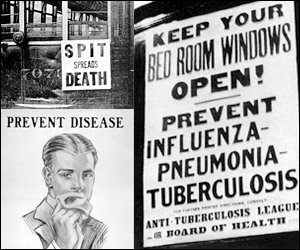
HOW UNITED STATES' COMPANIES ARE BEING ADVISED TO PREPARE FOR A BIRD FLU PANDEMIC
Below you will find one of the many 'heads-up' lists circulating in the US for how medium to large companies and corporations should start taking steps now, not later, to get ready for what is widely termed to be an "inevitable pandemic."
The consensus in the United States, at least, seems to be a pandemic will strike, if not this year then sometime in the next few years.
The www.pandemicflu.gov site and the US Department of Health and Human Services is pushing a 'Fend For Yourself' line, as in "Don't wait for the government to help save your business during a pandemic. It's up to you."
Not very reassuring, but with tens of millions of workers being out of action during a pandemic, and with limited resources available, the White House and the US government in general would seem to be left with little choice but to hard-sell the harsh 'Your Problem, You Take Care Of It' mantra.
Here's some of the tips circulating now and being discussed in boardroom across the US :
Below you will find one of the many 'heads-up' lists circulating in the US for how medium to large companies and corporations should start taking steps now, not later, to get ready for what is widely termed to be an "inevitable pandemic."
The consensus in the United States, at least, seems to be a pandemic will strike, if not this year then sometime in the next few years.
The www.pandemicflu.gov site and the US Department of Health and Human Services is pushing a 'Fend For Yourself' line, as in "Don't wait for the government to help save your business during a pandemic. It's up to you."
Not very reassuring, but with tens of millions of workers being out of action during a pandemic, and with limited resources available, the White House and the US government in general would seem to be left with little choice but to hard-sell the harsh 'Your Problem, You Take Care Of It' mantra.
Here's some of the tips circulating now and being discussed in boardroom across the US :
• Assign a coordinator or team responsible for preparedness and response planning.
• Identify the company's essential functions and employees who perform them. In case of a pandemic, the absentee rate can be 20 percent to 60 percent. Build in redundancy training to ensure others can perform those tasks.
• Expand Web-based tools for employees to work from home and customers to access information.
• Develop and plan for scenarios likely to result in an increase or decrease in demand for your products and services.
• Plan accordingly for interruptions of essential government services like sanitation, water, power and disruptions in food supply.
• Determine potential impact of a pandemic on business-related domestic and international travel.
• Maintain a healthy work environment with adequate air circulation. Promote hand and respiratory hygiene.
• Inform employees about pandemic flu and what the company is doing to prepare.
• Update policies for sick leave, family leave and medical leave.
Source: CDC, Trust for America's Health, BMO Nesbitt Burns
(No link, as yet, to source available online. But you can check for yourself by Googling : 'CDC, Trust For America's Health')
ESTIMATE : $800 BILLION LOSS TO BUSINESSES WORLDWIDE THROUGH PANDEMIC FLU OUTBREAK
BY THE NUMBERS OF HOW A PANDEMIC WOULD CRUSH ONE U.S. CITY
"What we have faced with Katrina is pale by comparison," said Maj. Gen. Frank Vavala, head of the Delaware National Guard, which has been participating in tabletop exercises on avian flu pandemic response. "It underscores our need to be prepared to do whatever is necessary."
The Delaware Online (United States) has crunched some of the numbers on how a bird flu pandemic would smash the US economy and cause havoc to businesses, large and small :
Retail businesses, depending on foot traffic, would suffer extensively as people would be warned away from public spaces during pandemic influenza outbreaks.
Quotes from a Canadian economist's report of March 13 :"Inevitably, an influenza pandemic would disrupt travel, transport and trade, even if no country were to officially shut its borders. Any breakdown in global flows of goods, services, financial capital and people can send shock waves through the entire system." The US Health and Human Services Department claims a pandemic could last from one year up to 18 months, and there would be a series of pandemics,, with each lasting six to eight weeks.
BY THE NUMBERS OF HOW A PANDEMIC WOULD CRUSH ONE U.S. CITY
"What we have faced with Katrina is pale by comparison," said Maj. Gen. Frank Vavala, head of the Delaware National Guard, which has been participating in tabletop exercises on avian flu pandemic response. "It underscores our need to be prepared to do whatever is necessary."
The Delaware Online (United States) has crunched some of the numbers on how a bird flu pandemic would smash the US economy and cause havoc to businesses, large and small :
Retail businesses, depending on foot traffic, would suffer extensively as people would be warned away from public spaces during pandemic influenza outbreaks.
Quotes from a Canadian economist's report of March 13 :"Inevitably, an influenza pandemic would disrupt travel, transport and trade, even if no country were to officially shut its borders. Any breakdown in global flows of goods, services, financial capital and people can send shock waves through the entire system."
The Delaware Online quotes federal agencies' estimates that the death toll could range from 89,000 to 207,000 deaths, and that is only for a medium level pandemic.
In a severe pandemic, the death toll could be as high as two million.
In the city of Delaware alone, estimates of up to 400,000 residents falling ill.
World Health Organisation estimates worldwide business losses could reach $800 billion.
With such high numbers of workers falling ill, up to 60 percent of the workforce in Delaware could be absent at any on time during a pandemic outbreak.
But that is not just the sick, there would be those caring for the ill and those terrified of catching it and therefore not wishing to leave their homes.
Critical services like garbage collection, airline travel, banking, would be disrupted, and shopping malls would be virtually empty, of shoppers and workers.
International trade, by air or sea, would break down and financial markets would "come to a standstill."
The Delaware Online story discusses how few in the city seem to be aware of how to plan for a pandemic, and claims most city businesses are woefully unprepared for a pandemic outbreak.
"The worst time to begin planning is when we are in the middle of a crisis," said Paul Silverman, chief of disease prevention at the Delaware Division of Public Health, who has been reaching out to the business community to help them develop plans for a potential pandemic. "Now is the time for businesses, small and large, to be thinking about the potential impact on them and how they would deal with absenteeism and maintain their productivity"
Subscribe to:
Posts (Atom)